
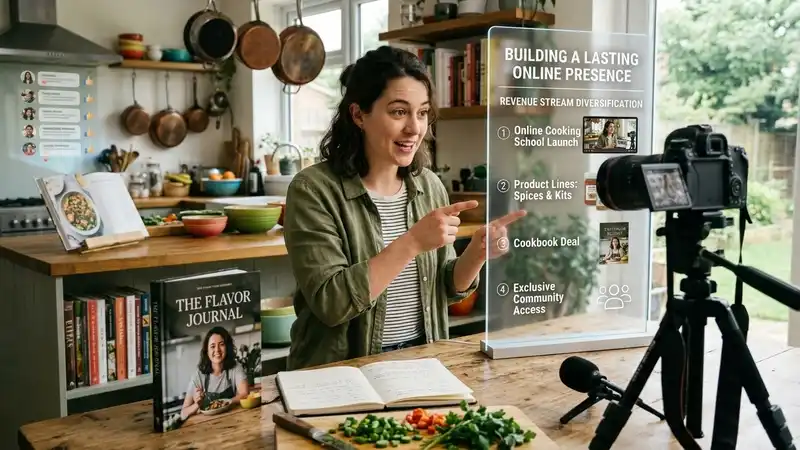
A plate of colorful food, a quick kitchen tip or an honest restaurant review can travel far online. Food content is naturally visual and easy to share, which makes it a strong fit for TikTok, Instagram, YouTube and other social platforms. But a viral recipe or restaurant clip is only one moment. For creators who want to build a lasting presence, the next step is giving audiences more ways to find their work and understand what makes it distinctive.
That can mean developing a recognizable style, making useful content consistently and publishing beyond social feeds. Food creators who combine short videos with articles, recipes, reviews or behind-the-scenes stories can reach people in different ways—and keep their work discoverable after a trend has passed.
Choose a Clear Food-Creator Identity
Food is a broad subject. A creator might focus on budget meals, baking, restaurant discoveries, regional cuisine, meal preparation, family recipes or food photography. Choosing a clear angle helps viewers quickly understand what they can expect. It also makes it easier to come up with content ideas and build a community around shared interests.
A niche does not have to be narrow forever. It is simply a useful starting point. A creator who begins with quick vegetarian dinners, for example, can later explore ingredient guides or local restaurant visits while keeping the same practical, food-focused perspective.
Make Content People Can Use or Share
Strong food content does more than show an appealing finished dish. It gives the audience something to take away: a technique, a substitution, a useful price comparison or a reason to visit a particular place. Clear captions and instructions can help a viewer save a recipe and return to it later.
Short-form video is useful for discovery, while longer videos and written posts allow more room for context. A quick clip can show how a recipe comes together; a longer explanation can cover ingredient choices, timing and common mistakes. The formats can support one another without every post becoming a duplicate.
Build a Presence Beyond the Feed
Social platforms can introduce a creator to new people, but a post’s reach can change with trends, algorithms and audience habits. A website, newsletter or collection of published articles gives creators another place to organize their work. It also makes it easier for readers to find practical information through search, rather than relying on a single video appearing in their feed.
Guest articles can be one part of that wider presence. A food creator might write about testing a family recipe, choosing ingredients on a budget or discovering a local food scene. The key is to offer a publication something relevant to its readers, not simply repost a social caption. Creators looking for outlets can browse food guest posting sites and assess whether each publication suits their subject, audience and standards.
Pitch Stories, Not Just Promotions
An effective article idea gives readers a reason to keep reading. “My new cooking video” is mainly an announcement; “How to make weeknight pasta more flavorful with pantry ingredients” promises a useful answer. A restaurant-focused creator might pitch a guide to ordering well at a particular type of restaurant, while a baker could explain how to avoid a common texture problem.
Before pitching, read a publication’s existing articles and submission guidelines. Look for the topics it covers, the level of detail it expects and whether it publishes personal stories, practical guides or reported pieces. Then send a concise proposal with a clear working angle and a few lines explaining why the creator is well placed to write it. Avoid sending the same generic pitch to every editor.
Develop Writing Skills Alongside Video Skills
Creators already practice many skills that transfer to writing: noticing details, explaining choices and understanding what an audience finds interesting. Writing for an article, though, often requires a different structure. Readers need a clear opening, organized sections and enough explanation to follow the idea without seeing the creator’s video.
Start with a subject you know well and create a sample that demonstrates your voice and accuracy. A recipe should be tested; a review should distinguish personal opinion from verifiable details. If paid writing work is a goal, a useful starting point is Osdire’s guide on finding a first freelance writing job. A focused offer and relevant samples can make it easier for a potential client to see what you can deliver.
Keep Trust at the Center
Food recommendations can influence what people cook, buy or order, so accuracy matters. Be transparent about sponsored content and avoid presenting an opinion as an objective fact. For recipes, include realistic timings and note important substitutions. For restaurant coverage, describe what you actually experienced and be careful not to repeat unconfirmed claims.
Creators should also be thoughtful about food safety and dietary information. A recipe may not be suitable for every allergy or dietary need, and cross-contamination can matter. Clear language is more helpful than broad assurances that a dish is safe for everyone.
Turn Attention Into a Sustainable Routine
Not every post needs to become a major project. A practical routine might include one short video, one more detailed article or recipe, and time set aside to respond to audience questions. Keep a list of recurring questions; they often reveal what people want explained next. Review which posts earn saves, thoughtful comments and repeat visits, not only which ones collect the most views.
Food creators do not need to chase every trend to grow. A distinct point of view, dependable information and a mix of formats can give an online presence more depth. Viral moments may bring new viewers, but useful work and a real connection with an audience are what give them a reason to stay.