
Financial access used to follow business hours, local systems, and regional limits. Today, that model feels increasingly outdated. People live, work, shop, and travel in a world that never really pauses, and they expect their money to move with the same flexibility. This is one of the clearest market trends in digital finance: users now want access that is immediate, mobile, and available at any time.
That shift is being driven by lifestyle as much as by technology. Remote work, cross-border commerce, digital services, and mobile-first habits have changed how people think about money. Waiting for approvals, transfers, or payment access no longer feels normal when everything else in daily life happens in real time. In this environment, 24/7 financial access is not simply a premium feature. It is becoming a new standard.
The real attraction lies in convenience, but also in control. When users can manage value whenever they need to, they feel less dependent on old systems and more connected to the pace of modern life. That is where innovation in digital finance is making a visible difference.
Why Speed and Flexibility Matter More Than Ever
The movement toward always-on finance is larger than crypto alone. It includes mobile wallets, digital banking experiences, real-time payment expectations, and new tools that reduce friction in everyday transactions. Consumers are increasingly drawn to solutions that feel intuitive and responsive, especially when they are managing subscriptions, online purchases, travel spending, or international payments.
This broader change shows how finance is becoming embedded into everyday life rather than existing as a separate, slower layer. The most successful solutions are often the ones that remove complexity. Users do not necessarily want more features. They want access, clarity, and the freedom to act without delay.
That is one reason Web3 continues to gain attention. Beyond the headlines, its practical appeal lies in giving people more direct interaction with digital value. As the space matures, the focus is moving away from novelty and toward usefulness. The question is no longer whether digital assets are interesting, but how easily they can fit into normal financial routines.
From Digital Assets to Everyday Spending
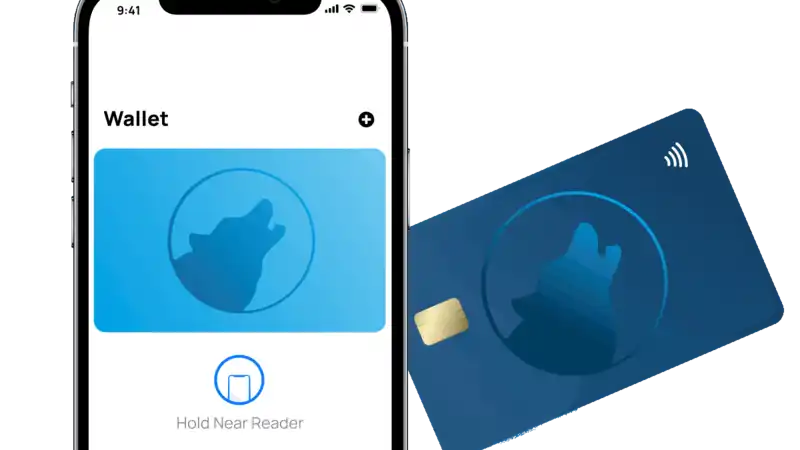
One practical example is the Crypto Card. A Crypto Card allows users to spend cryptocurrencies in real life, which helps bridge the gap between digital assets and daily finance. It can be used for internet shopping, at the point of sale, and even for withdrawing cash from ATMs. That kind of usability matters because it makes crypto feel less abstract and more connected to real-world needs.
European payment provider Mountain Wolf is part of this development with Crypto Card solutions designed for speed and convenience. After verification, the cards are instantly ready, which supports the growing expectation of immediate access. They are compatible with Apple Pay and Google Pay, making them easy to integrate into familiar payment habits. They can also be topped up in real time from any crypto wallets, giving users a more flexible way to move between Web3 and everyday spending.
The bigger story is not just about one product. It is about the evolution of finance itself. As digital behavior becomes more global and always on, payment tools must become more adaptive, practical, and user-focused. That is why 24/7 access is shaping the next phase of personal finance and why innovation in this space will continue to matter. For readers interested in digital lifestyle trends beyond finance, explore celebrity sunglasses.


