
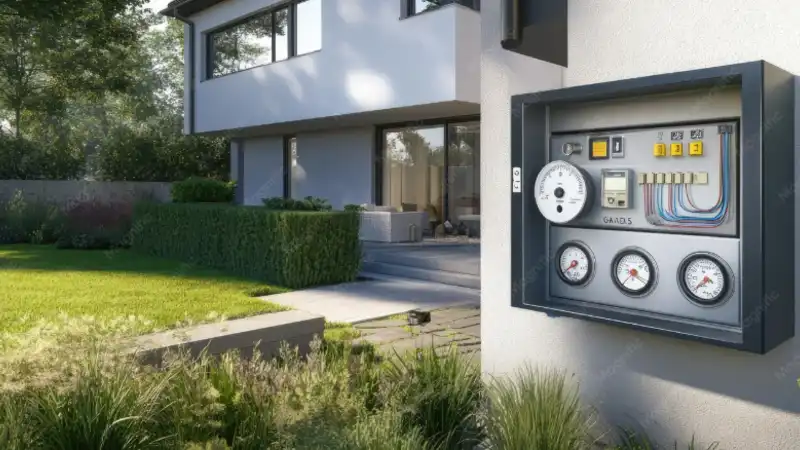
Managing electricity consumption is an important concern for homeowners across the United States. From air conditioning and heating to lighting and household appliances, electricity powers many everyday activities. However, understanding where energy is being used and how to reduce unnecessary consumption can be challenging. Smart meters offer a practical solution by providing more detailed information about household electricity use.
Unlike traditional meters, which generally provide cumulative readings, smart meters can record electricity consumption at regular intervals and send readings to utility companies automatically. Depending on the provider, homeowners may also access their usage data through online accounts or mobile apps. This information helps them recognize consumption patterns, understand their bills, and make informed decisions about energy efficiency.
What Is a Smart Meter and How Does It Work?
A smart meter is a digital device that measures electricity consumption and communicates readings to a utility company through a communication network. Many modern smart meters are part of an advanced metering infrastructure (AMI) system that supports two-way communication between utilities and meters.
These devices measure electricity use in kilowatt-hours (kWh), the standard unit commonly used for residential electricity billing. They can record consumption at regular intervals, allowing utilities to collect more detailed information than a single cumulative reading provides.
When customer-facing data is available, homeowners can review their usage by day or time period. Although a smart meter can reveal when electricity consumption increases, it generally cannot identify the exact appliance responsible without additional monitoring equipment.
1. Monitor Electricity Usage More Effectively
One of the main benefits of smart meters is improved visibility into household energy consumption. Homeowners can review available usage data to understand when electricity demand is highest and which daily routines may contribute to increased consumption.
For example, electricity use might rise during the evening when cooking, laundry, television, and air conditioning operate simultaneously. Recognizing these patterns helps homeowners identify opportunities to adjust their habits and avoid unnecessary energy use.
2. Identify Energy Waste and Reduce Costs
Smart meter data can help homeowners investigate unexpected increases in electricity consumption. Equipment operating unnecessarily, inefficient appliances, and excessive heating or cooling can contribute to higher energy use.
By reviewing consumption trends, homeowners can identify periods that deserve further investigation. They might adjust thermostat settings, replace inefficient lighting with LED bulbs, or schedule maintenance for heating and cooling systems.
However, smart meters do not automatically reduce bills. Actual savings depend on household habits, electricity rates, and the improvements homeowners make.
3. Take Advantage of Time-of-Use Electricity Rates
Some U.S. utilities offer time-of-use pricing, which means electricity rates vary depending on the time of day. Smart meters can support these plans by recording when electricity is consumed.
Homeowners with suitable plans may save money by running dishwashers, charging electric vehicles, or performing other flexible activities during lower-priced hours.
Before changing their routines, customers should check their utility’s rate schedule. Shifting electricity use will not necessarily save money if their plan charges the same rate throughout the day.
4. Understand Electricity Bills and Heating Costs
Smart meters provide information that can help homeowners understand why their electricity bills change. For instance, higher summer consumption may reflect increased air conditioning use during hot weather.
Comparing usage across similar periods can help homeowners evaluate their energy habits and investigate unusual increases. This information is particularly useful when reviewing heating and cooling systems, which can account for a substantial share of household energy consumption.
Key Benefits and Limitations of Smart Meters
Smart meters offer several advantages, including:
-
Better monitoring: Access to more frequent electricity consumption data.
-
Improved budgeting: Greater visibility into usage patterns that influence bills.
-
Energy efficiency: Opportunities to identify unnecessary consumption.
-
Informed decisions: Better understanding of how household activities affect electricity use.
Nevertheless, smart meters have limitations. Data availability varies by utility, and detailed readings may not be immediately accessible. Privacy is another consideration because consumption patterns can reveal information about household routines. Homeowners should review their utility’s privacy policies and data-sharing practices.
How Can Homeowners Get Better Results?
To make smart meter data useful, homeowners should establish a baseline by reviewing their typical electricity consumption. They can then investigate unusual increases, make practical adjustments, and compare subsequent readings.
Checking utility rates, improving insulation, maintaining HVAC equipment, and using energy-efficient appliances can complement this process. These measures help homeowners turn consumption information into practical energy-management decisions.
Frequently Asked Questions
Do smart meters automatically lower electricity bills?
No. They measure and communicate electricity usage. Savings depend on whether homeowners use the information to reduce consumption or benefit from suitable electricity rates.
Can smart meters identify individual appliances?
Generally, no. Standard smart meters measure combined household consumption. Additional monitoring devices may be needed to identify specific appliances.
Are smart meters worth it?
They can be valuable for homeowners who want better visibility into electricity use and opportunities to improve energy efficiency.
Conclusion
Smart meters give homeowners better control over energy consumption by making electricity usage easier to monitor and understand. They can help identify high-consumption periods, investigate rising bills, and support more informed decisions about energy efficiency.
Although smart meters do not guarantee lower costs, combining their data with practical energy-saving habits can help households manage electricity more effectively. For U.S. homeowners, understanding consumption patterns is an important step toward a more efficient and cost-conscious home.
If you want the most relevant topic, information and best Ideas.