
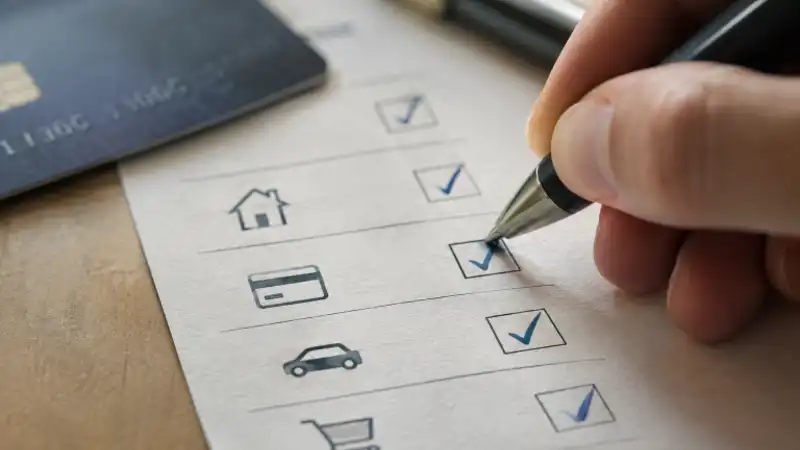
Improving credit can feel slow because a credit profile reflects patterns over time, not one good month. Still, small routines such as reviewing balances each week, paying bills before the due date, and avoiding unnecessary applications can lead to meaningful progress. People exploring rebuilding your credit with credit cards should focus first on habits they can repeat without straining their household budget.
No card, product, or payment trick can erase accurate negative information overnight. A practical plan centers on using available credit carefully, making every required payment on time, and addressing problems promptly when they arise.
Key Takeaways
- Credit improvement is usually built through consistent habits, not fast fixes.
- Paying on time and keeping balances manageable are practical priorities.
- A credit card can support a stronger credit record when it fits the budget.
- Regular credit report reviews can uncover errors and unauthorized accounts.
- The best approach depends on whether the goal is to establish, rebuild, or maintain credit.
Step One: Review the Starting Point
Before applying for another card or loan, review the information already appearing in your credit history. You can use your credit reports from the nationwide credit reporting companies to check account status, payment history, balances, collections, and recent applications.
Make a simple list of:
- Every open credit account, its balance, and its credit limit.
- Any missed or late payments.
- Accounts or inquiries you do not recognize.
- Recent applications for credit.
If the information is wrong, gather statements or other records that support your position. Dispute the error with both the credit reporting company and the business that provided the information. Keep copies of every form, letter, and confirmation.
Step Two: Build a Payment Routine That Works
Payment consistency should come before nearly every other credit strategy. Set automatic payments for at least the minimum amount due if your cash flow allows, then use calendar reminders several days before each due date to review the account and make an additional payment when possible.
Automation is useful, but it is not a substitute for monitoring. For example, a weekly 10-minute money check can help you spot a charge, rising balance, or low bank balance before the monthly statement arrives. Check that scheduled payments have cleared and that the payment account has sufficient funds available.
Step Three: Keep Card Balances Manageable
Credit utilization describes how much of a card’s available limit is currently in use. A $300 balance on a card with a $1,000 limit represents 30 percent utilization. Even if you pay the full statement balance by the due date, the issuer may report a balance that existed when the statement closed.
When spending temporarily rises, consider making an extra payment before the statement closing date. The goal is not to avoid using a card entirely. It is to prevent normal spending from turning into a balance that is difficult to repay. Do not borrow simply to create account activity, and do not carry a balance just to build credit.
Step Four: Choose a Credit Tool Carefully
- An existing credit card: Often the simplest choice when it is open, affordable, and in good standing.
- A secured credit card: May be useful when approval for a traditional card is difficult, but deposits, fees, and terms should be reviewed closely.
- An authorized-user account: May help in some situations, although the primary cardholder’s payment and balance habits matter.
- A credit-builder loan: May suit someone who prefers an installment payment structure rather than revolving credit.
Before applying, compare annual fees, interest rates, deposits, reporting practices, and account rules. The Consumer Financial Protection Bureau explains that paying bills on time and avoiding high credit card balances are central to rebuilding a credit record.
Step Five: Apply for New Credit With a Purpose
Opening several accounts in a short period can add hard inquiries and complicate monthly budgeting. Apply only when an account serves a clear need, such as replacing an unsuitable card or establishing a manageable account after a period without credit.
Ask three questions before submitting an application:
- Can the payment fit within the current budget without affecting rent, food, utilities, or savings goals?
- Will the account report payment activity to the nationwide credit reporting companies?
- Are the fees reasonable for the benefit the account may provide?
Step Six: Create a Low-Stress Monthly System
A repeatable process is often more useful than relying on motivation. Once a month, check the balance, review transactions, schedule the payment, compare spending with the budget, and direct any extra money toward the balance. Use a weekly review to catch problems early, especially after larger purchases or unexpected expenses.
Common Mistakes That Can Slow Progress
- Carrying a balance and paying interest solely to build credit.
- Using nearly all available credit during an emergency without a repayment plan.
- Closing an older account before considering its available credit, fees, and future usefulness.
- Applying for several cards after one rejection.
- Ignoring annual fees or other charges because a card has an appealing limit.
- Assuming debit or prepaid card activity creates the same type of credit history as credit card activity.
- Paying a credit repair company before trying to correct report errors directly.
How Long Can Credit Improvement Take?
The timeline depends on the age and type of negative information, current debt levels, and whether new payments remain consistent. Positive activity can strengthen a profile over time, but it does not immediately remove accurate negative information. Track progress over several billing cycles, and remember that different scoring models can produce different results.
Questions to Ask Before Using a Credit Card
- Can the balance be paid without disrupting essential expenses?
- Does the account charge an annual fee or a recurring fee?
- What interest rate applies if the balance is not paid in full?
- How does the issuer report account activity?
- Will this card encourage spending beyond the budget?
Final Checklist for a Credit Comeback Plan
- Review credit reports for errors and unauthorized activity.
- Set payment reminders or automatic payments.
- Keep balances within a comfortable repayment range.
- Limit new applications to accounts with a clear purpose.
- Review card terms and fees at least once a year.
- Measure progress over time instead of expecting instant change.
Conclusion
A stronger credit profile is usually the result of ordinary decisions repeated consistently. Reviewing reports, paying on schedule, managing balances, and applying for credit with a clear purpose can help build a steadier financial foundation. The goal is not to use more credit. It is to manage available credit with care.