
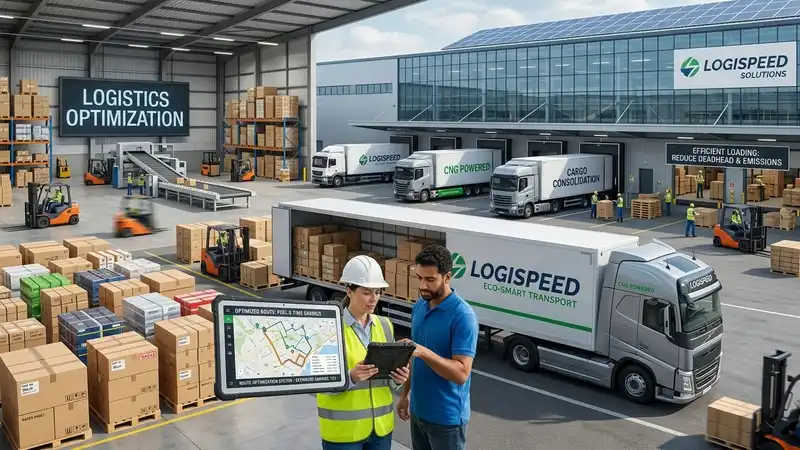
Transportation and logistics costs can quietly eat into a company’s profits. Fuel prices, vehicle maintenance, warehousing, shipping fees, and inefficient routes may each seem manageable on their own, but together they can become a significant expense.
The good news is that businesses do not always need to make dramatic changes to bring those costs down. A few smarter decisions around planning, suppliers, transportation methods, and technology can make a noticeable difference.
Review Your Current Logistics Spending
Before cutting costs, it helps to know exactly where the money is going. Businesses should regularly review spending on fuel, deliveries, freight, storage, vehicle maintenance, and third-party logistics providers.
Breaking these expenses down can reveal patterns that might otherwise go unnoticed. For example, a company may be paying extra for frequent small shipments when consolidating them would be cheaper, or using premium delivery services when standard shipping would work just as well.
Once these unnecessary expenses are identified, it becomes much easier to address them.
Consolidate Shipments Where Possible
Sending multiple small shipments is often more expensive than combining goods into larger loads. Businesses can reduce transportation costs by reviewing delivery schedules and consolidating orders whenever practical.
This can also reduce the number of journeys required, potentially lowering fuel use, driver hours, and administrative work. Of course, consolidation needs to be balanced against customer expectations, particularly when fast delivery is an important part of the service.
Compare Transportation Options
Relying on the same transportation provider simply because they have always been used can mean missing out on better-value alternatives.
Companies should periodically compare carriers, freight companies, and specialist transport providers. The best option may depend on the type of goods being moved, the distance involved, and how quickly the delivery needs to arrive.
This is especially important when moving vehicles between locations. Instead of automatically using an existing provider, businesses can compare services from Long Beach car transporters to find an option that better matches their route, timing, and budget.
Make Better Use of Technology
Technology can help businesses spot inefficiencies that are difficult to identify manually. Route-planning software, fleet management systems, GPS tracking, and inventory tools can all provide useful data.
Better route planning, for example, can reduce unnecessary mileage and help drivers avoid inefficient journeys. Inventory systems can also prevent overstocking, reducing the amount of warehouse space a business needs to maintain.
Even relatively small improvements can add up when they are applied across hundreds of shipments or journeys each year.
Build Stronger Supplier Relationships
Businesses should also look beyond transportation itself. Suppliers can have a major impact on logistics costs, particularly if they are located far away or have inflexible delivery schedules.
Negotiating better delivery terms, ordering in larger quantities, or working with suppliers closer to key locations may help reduce costs. Long-term relationships can also make it easier to negotiate pricing and coordinate deliveries more efficiently.
Keep Reviewing Your Strategy
Logistics should never be treated as a set-it-and-forget-it part of the business. Fuel prices change, new technology becomes available, and customer expectations evolve.
Regularly reviewing routes, suppliers, shipping methods, and operational data allows businesses to adapt before unnecessary costs become embedded in their processes.
Reducing transportation and logistics expenses is ultimately about working smarter. By understanding current costs, consolidating shipments, comparing providers, and using technology more effectively, businesses can create a more efficient supply chain while protecting their bottom line.